Why Modern Life Feels So Exhausting (And What to Do About It)
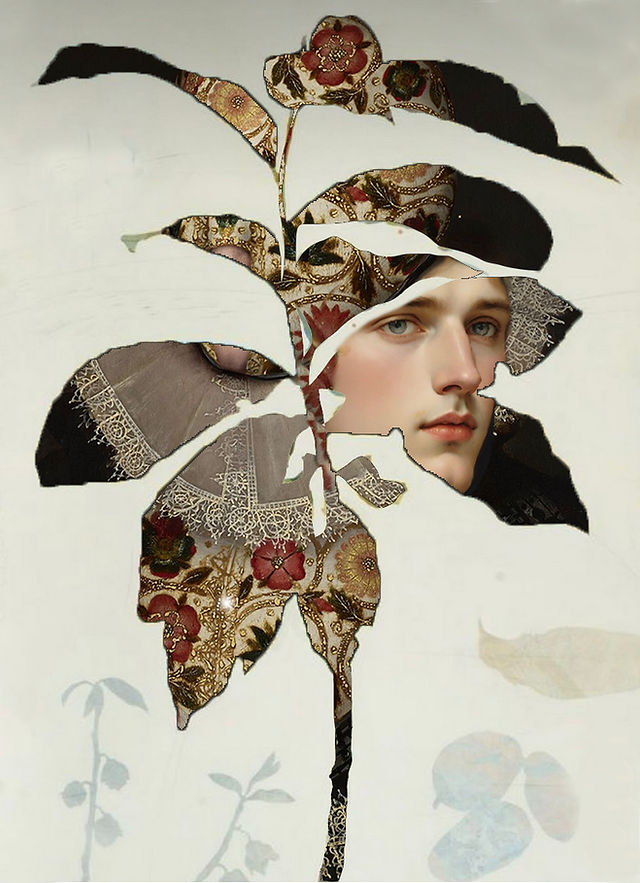
Spring "Lui" 
Spring "Lei II" 
Spring "Lei"
We live in a time of constant movement. Screens glow from morning until night, headlines compete for our attention, and endless streams of images pass before our eyes faster than we can truly absorb them.
We are surrounded by information, opinions, noise, urgency, and demands. The modern world offers many wonders, yet it can also leave us feeling overstimulated, disconnected, and quietly exhausted.
So Why Modern Life Feels So Exhausting? and What to Do About It?
There is a particular feeling many people know but rarely name. It is not always dramatic. It does not always arrive as crisis.
Sometimes it is subtle—a quiet heaviness in the chest, a sense of inner fog, a small discomfort that follows us through the day.
Other times it feels like carrying a stone we cannot quite put down. It may come from stress, from uncertainty, from witnessing so much conflict and tension around us. Even when we try to focus on our personal wellbeing, the emotional atmosphere of the world often reaches us. We feel it like a silent whisper in the air.
This is part of being human. We are sensitive beings. We absorb more than we realize.
Yet this reality is not a reason to surrender to discouragement. It is, perhaps, an invitation. An invitation to return inward.
Inner beauty is not about appearance. It is not something bought, displayed, or measured. Inner beauty is the quality of our spirit when we choose kindness over bitterness, calm over panic, depth over distraction. It is the light that appears when we are honest with ourselves, when we nurture peace, when we protect what is gentle and meaningful inside us.
To go within is an act of courage in a distracted age.
It means creating moments where we can hear our own thoughts again. It means sitting quietly for a few minutes without reaching for a screen. It means asking ourselves what truly matters, what nourishes us, what drains us, and what kind of life we wish to create. It means remembering that beneath responsibilities, worries, and noise, there is still a self waiting to be heard.
When we reconnect with that inner space, something changes. We breathe differently. We become less reactive. We begin to remember our purpose is not to race endlessly, but to live consciously.
And perhaps most importantly, we remember that we need one another.
Human beings are not designed to thrive in isolation of spirit. We need community, warmth, conversation, laughter, shared meals, eye contact, compassion, and presence. We need roots. We need spaces where we feel safe enough to simply be. Sometimes healing begins not with a grand transformation, but with one sincere conversation, one kind gesture, one moment of feeling understood.
Beauty also plays an essential role in restoring us.
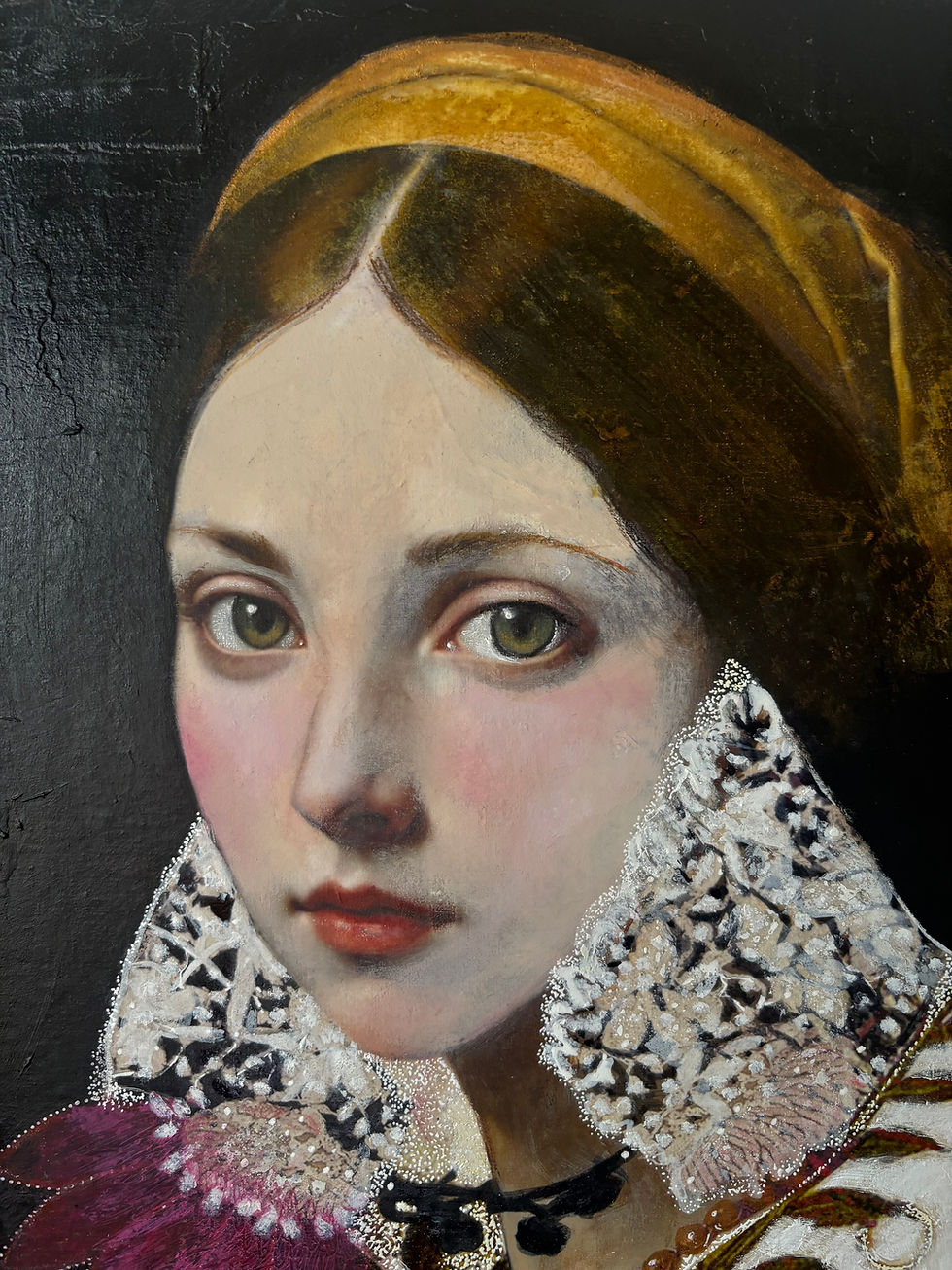
Surround yourself with beauty whenever possible. Bring flowers into your home. Light a candle. Choose objects that carry harmony. Listen to music that softens your mind. Visit a museum and stand before a painting created centuries ago. Feel the devotion, patience, and mastery within it. Let yourself be moved by the old masters, by their discipline, by their tenderness toward form and light.
Enjoy a beautiful meal slowly. Walk among trees. Watch the sky change color at sunset. Notice the elegance of ordinary things.
These are not luxuries of the soul. They are nourishment.
We may not be able to control the chaos of the outer world, but we can influence the atmosphere within ourselves. And each person who chooses peace, hope, dignity, and kindness contributes something invisible yet powerful to the whole.
Like cells within one living body, we affect each other.
So keep going. Keep your spirit lifted. Keep smiling when you can. Protect your softness without losing your strength. Trust that many things resolve themselves in ways we cannot yet see.
Find beauty within you, and around you.
Create small sacred moments.
They may seem small, but often they are the very things that save us.
.
.
.


Comments